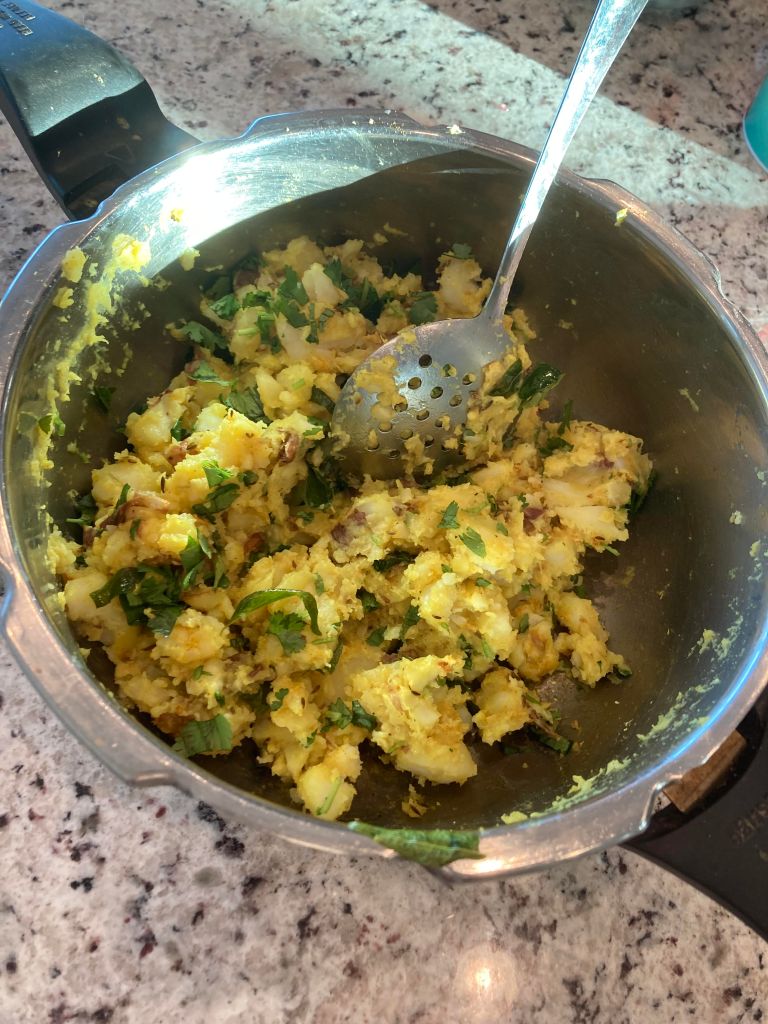
The Maharaj’s potato curry

Ingredients:

  1. 6 medium potatoes (ideally organic ones)
  2. 1 and a half to 2 teaspoons turmeric
  3. 1 teaspoon of cumin seeds
  4. 1 green chili, chopped
  5. 10-15 curry leaves, if you can find them
  6. 1 to 2 pods of garlic, chopped
  7. 1/4 cup of finely chopped cilantro
  8. 1 tablespoons of grated ginger to taste
  9. 2 and a half tablespoons of avocado oil
  10. 1 teaspoon of asfoetida powder (optional)
  11. A pinch of black ground pepper
  12. A pinch of salt

Instructions:

  1. Boil the potatoes until they are tender.
  2. After boiling the potatoes, peel the skin off from half of them (and keep the skin on for the other half of them).
  3. Gently chop the potatoes into rough 1 inch cubes.
  4. Now, get a large frying pan and heat it at medium heat. When the pan is nice and hot, add the avocado oil.
  5. When the oil is hot, add in your cumin seeds, garlic, and chopped green chili to the pan.
  6. As the cumin and garlic start to sizzle, add your chopped potatoes, asfoetida powder, black pepper, and salt. Mix until the turmeric evenly coats the potatoes.
  7. Add the grated ginger and mix it into the potatoes (add more oil if needed, but we try to keep it healthy).
  8. Take the dish off the pan and garnish with cilantro.
  9. Now adjust spice levels if needed and serve (some people also add sugar to taste).

Notes:

  1. This can also be made with sweet potatoes, carrots, and yams.
  2. You can also add some pepper if you like
  3. The recipe should take about 15 minuets to make
Indian cashew ice cream (that can be had with puranpoli (a marathi desert))

Ingredients:

  1. 2 cups of cashew milk
  2. 2 tablespoons of cardamom powder
  3. 1/2 cup of cashews
  4. 1/4 cup of jaggery powder
  5. 4 tablespoons of melted butter
  6. 1 teaspoon of nutmeg powder.

Instructions:

  1. Blend all the ingredients until you have a puree like texture.
  2. Put the mixture (that you just made) into a churner and churn until you have an ice cream texture.

Organic chemistry lessons- lesson 2

Names and Formulas of Alkanes:

A large number of compounds is possible because the covalent bond between the carbon atoms (C-C) is very strong, this allows carbon atoms to form long, stable chains.


Alkanes are a class of hydrocarbons in which all atoms are connected by single bonds.

They are,
(i) commonly used as fuels
(ii) contain carbons connected in a row or a continuous chain

(iii)  have the general formula CnH2n+2

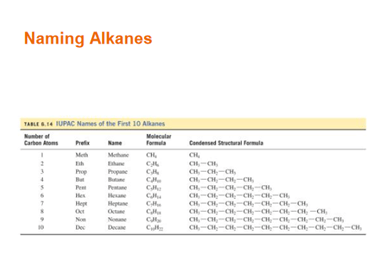
The IUPAC (International Union of Pure and Applied Chemistry) system is used for naming
alkanes. Alkanes with five or more carbons in a chain are named using prefixes and, in the ending, ane.

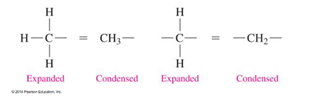
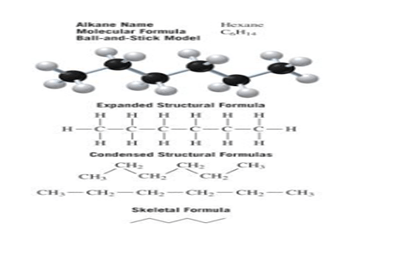
In a condensed structural formula, each carbon atom and its attached hydrogen atoms are written as a group.

Alkanes with more than three carbons are written in a zigzag pattern instead of a straight line.

All ways of expressing alkanes,

Alkanes are nonpolar and less dense than water. Alkanes with,


i)1-4 carbon atoms are gases

 ii) 5-8 carbon atoms are liquids at room temperature


iii) 9-17 carbon atoms are liquids such as kerosene and jet fuel


iv) 18 or more carbon atoms are waxy solids

Some organic chemistry lessons-lesson 1

Organic Compounds:

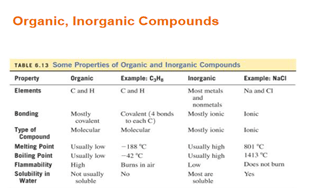
Carbon has a special role because many carbon atoms can bond together to create many types of molecular compounds. (Bonding in ALMOST all of them is covalent)

Organic compounds: Always contain carbon and hydrogen, and sometimes oxygen, sulfur, nitrogen, phosphorous, or a halogen (SON PH). Simplest one is CH4.

Characteristics:

  • Low melting and boiling points than inorganic compounds
  • NOT soluble in water
  • Less dense in water than inorganic compounds
  • They are non-polar
  • Bonding in ALMOST all of them is covalent

Ex of an organic compounds: vegetable oil

Rules for formulas of organic compounds

  1. Formulas are written with carbon first, followed by hydrogen or other elements.
  2. Carbon only forms covalent bonds and needs four of them.

Hydrocarbons are organic compounds that contain only carbon and hydrogen.

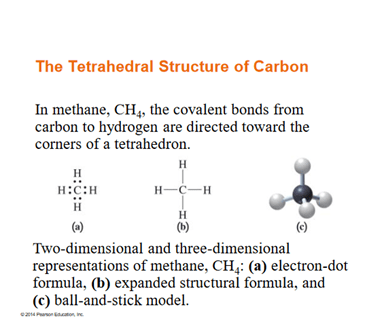
  1. In the electron-dot formulas for hydrocarbons, each shared pair of electrons represents a single covalent bond.
  2. Expanded structural formulas are drawn to show the bonds between all the atoms.

Note: *Saturated hydrocarbons contain only single carbon-carbon bonds.

H-C structure is tetrahedral.

Chai ice cream recipe

Ingredients:

  1. 2 and a half tablespoons of good quality black leaves
  2. 2 to 2 and a half cups of water
  3. 2 cups of milk
  4. 5 tablespoons of cane sugar
  5. 2 knobs of ginger, grated

Instructions:

  1. Heat a pan and in it add the water, black leaves, and the grated ginger. Boil for about 4 minuets.
  2. Now add the milk and the sugar and let it cook for about 3 minuets more and give it a stir.
  3. Put the chai in a churner and churn till you get an ice cream like texture.
  4. Serve!

Chai recipe

Ingredients:

  1. 1 and a half tablespoons of good quality black leaves
  2. 1 to 1 and a half cups of water
  3. 2 cups of milk
  4. 2 tablespoons of cane sugar
  5. 1 knob of ginger, grated

Instructions:

  1. Heat a pan and in it add the water, black leaves, and the grated ginger. Boil for about 4 minuets.
  2. Now add the milk and the sugar and let it cook for about 3 minuets more and give it a stir.
  3. Serve!

Indian detox cucumber salad recipe

Ingredients:

  1. 2 cucumbers, peeled and chopped
  2. 4 tablespoons of black salt
  3. 6 tablespoons of lemon juice
  4. 1 tablespoon of roasted cumin powder
  5. 1 tablespoon of amchur (mango) powder.

Instructions:

  1. To make the dressing, mix together all the ingredients, except for the cucumber. Meanwhile, keep the cucumbers in a separate bowl.
  2. Add the dressing to the cucumbers and toss the cucumbers well (once the dressing is added to them).

Healthier Gajar ka halwa

Gajar ka halwa is a carrot desert that is popular in most parts in India. I’m going to show you how to make a healthy version of it.

Ingredients:

  1. 3 cups of shredded carrots
  2. 1/4 cup of coconut sugar
  3. 1 and half cups of regular milk
  4. 4 tablespoons of raisins
  5. 6 tablespoons of ghee (Indian butter).
  6. 3 tablespoons of cardamom powder

Instructions:

  1. Heat a pan and when it is hot enough put the ghee inside the pan.
  2. Once the ghee spreads out add the carrots, cardamom, powder, rasins and sugar to the pan. Cook and stir until the carrots have wilted.
  3. Now add the milk to the pan and stir everything. Cook until the amount of milk in the pan is reduced by about 70%.
  4. Serve!

My mom’s Indian potato spread

Ingredients:

  1. 7 boiled potatoes, peeled
  2. 2 tablespoons of mustard seeds
  3. 2 tablespoons of avocado oil
  4. 3/8 cup of lemon juice
  5. 1/4 cup chopped cilantro
  6. 1 tablespoon of mustard seeds
  7. 1 tablespoon of chili powder
  8. 2 tablespoons of cumin seeds
  9. 1 tablespoon of salt

Instructions:

  1. In a bowl or plate, put the boiled potatos and mash them well.
  2. Now, heat a big pan with the avocado oil.
  3. As soon as the oil spreads on the pan, add the mustard seeds, chili powder, and cumin seeds to the pan. Let these cook for about 2 minuets and give the spices a stir.
  4. Now, add the potatoes to the pan and mix well.
  5. Finally, add the salt and lemon juice to the pan and give everything in the pan a good stir. Let the potato spread cook for 6 to 8 more minuets.
  6. Now, garnish the potato spread with your cilantro leaves.
  7. Serve!
Design a site like this with WordPress.com
Get started